The Architecture of Atmosphere: How I Construct an Image
Many photographers, especially those starting out, are fed a steady diet of "golden hour" rules, gear-driven dynamic range specs, and the pursuit of the "Instagram-worthy" honeypot location. I don't believe in that. The photos that outlast trends aren't the ones that follow the rules—they are the ones that capture the feeling of being present.
But how do you take the chaotic, three-dimensional world and translate that feeling into a two-dimensional image? Atmosphere is not an accident. For me, it is the result of three deliberate, overlapping choices: Light, Intent, and Vision.
1. The Anchor: Light as a Guide
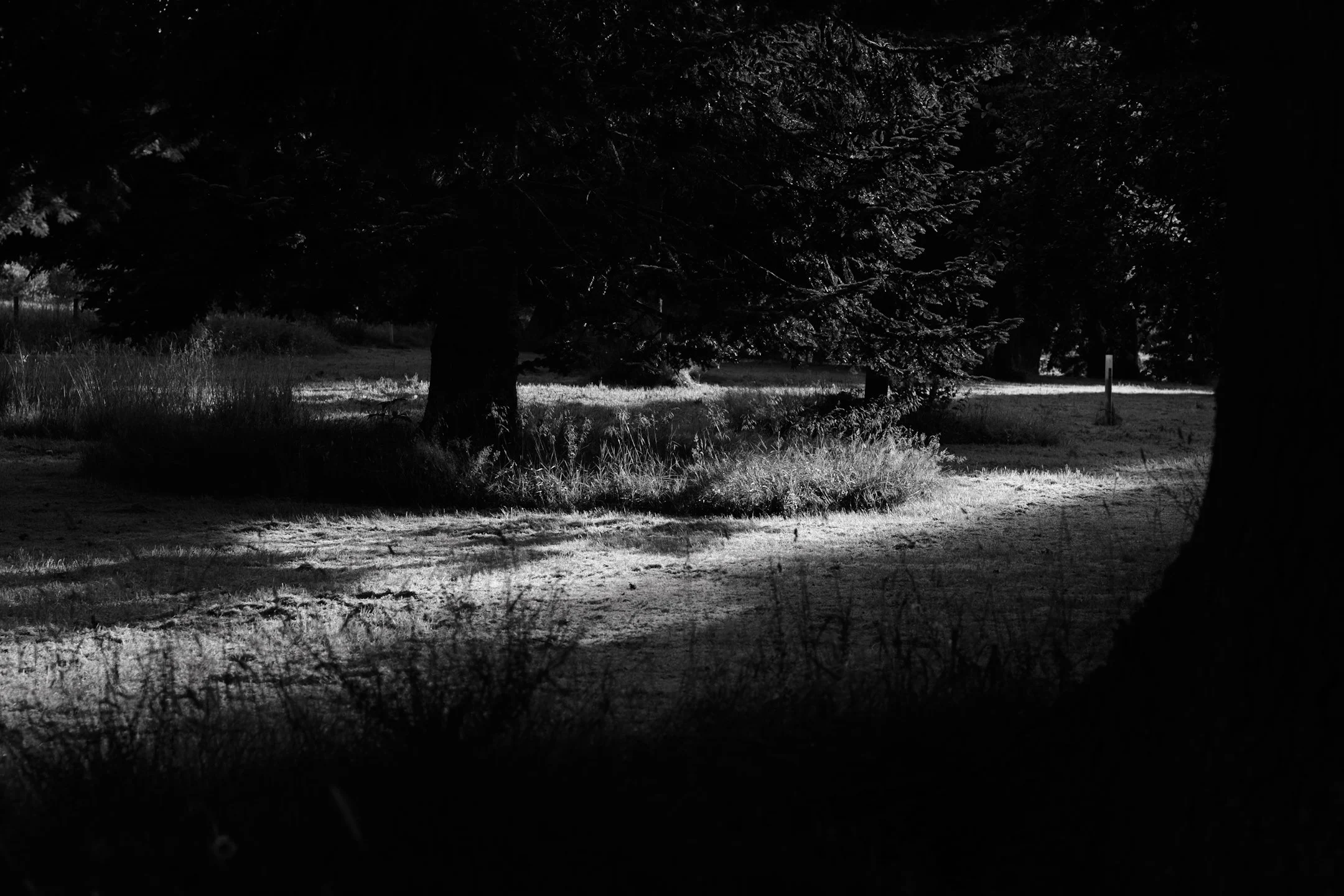
Light is almost always the first thing that catches my eye, but I have abandoned the old mantra of shooting only an hour either side of golden hour. I’m not denying that light at those times can be the most wonderful you will ever see, but I have children and I have limited time. If you limit yourself to just those few hours, you are denying yourself the opportunity to create the vast majority of your work.
I truly believe that great photos can be made in any light, as long as you take the time to understand all the tools at your disposal. If the light isn't what you want, lean into your composition and depth of field. If the light is fantastic, but you don't know what your subject is, make the light itself the subject. And when the light does provide you with magic, all that practice during the "lesser" hours will ensure you are ready to combine all the elements to create something truly exceptional.
2. The Emotional Intent
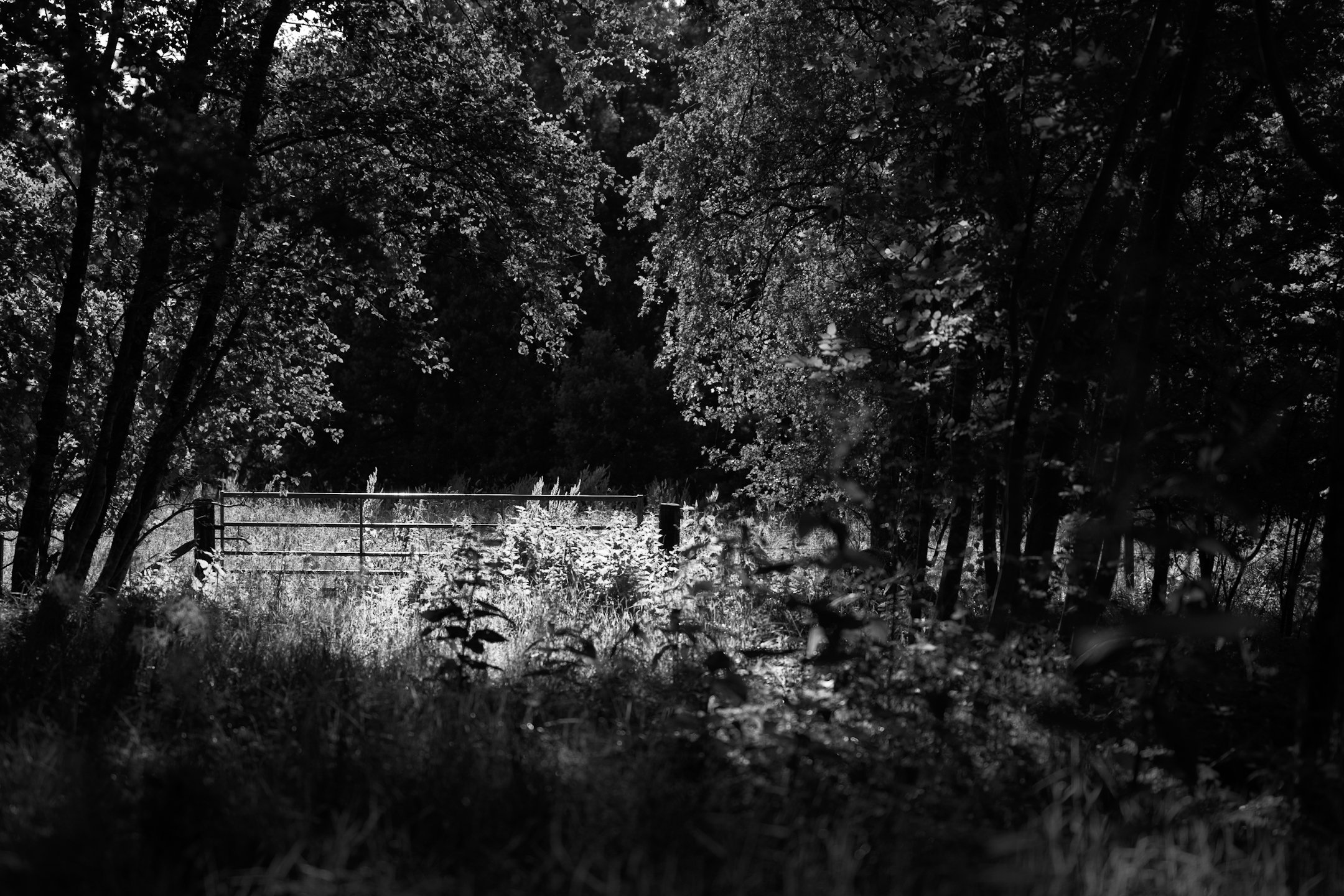
Once the light has drawn my attention, I then ask myself: How does this make me feel?
What is it about this place that drew me in? What do I want to convey in a photo to capture that specific atmosphere? Is it the pockets of light in the woodland making me feel as if I am in an enchanted place? Is it a wide-open vista giving me a sense of scale and space? Is it the texture of bark on an old tree, revealing the history of the place?
Only once I have answered these questions—once I have identified the feeling I want to hold onto—do I start to look at how I am going to frame the scene to capture that atmosphere.
3. The Skeleton: Composition and "Working the Scene"
With the light and intent established, I use composition to organize the chaos. I look for leading lines, S-curves, and geometric relationships—Gestalt principles that guide the eye subconsciously.
I am a firm believer in the old school practice of "working the scene." I don’t just walk up and take a shot. I move around, change my angle, and explore how the elements in the frame interact from different perspectives. I am looking for the moment where the chaos of a scene resolves into a coherent image.
4. The Vision: Contrast and the Art of the Shadow
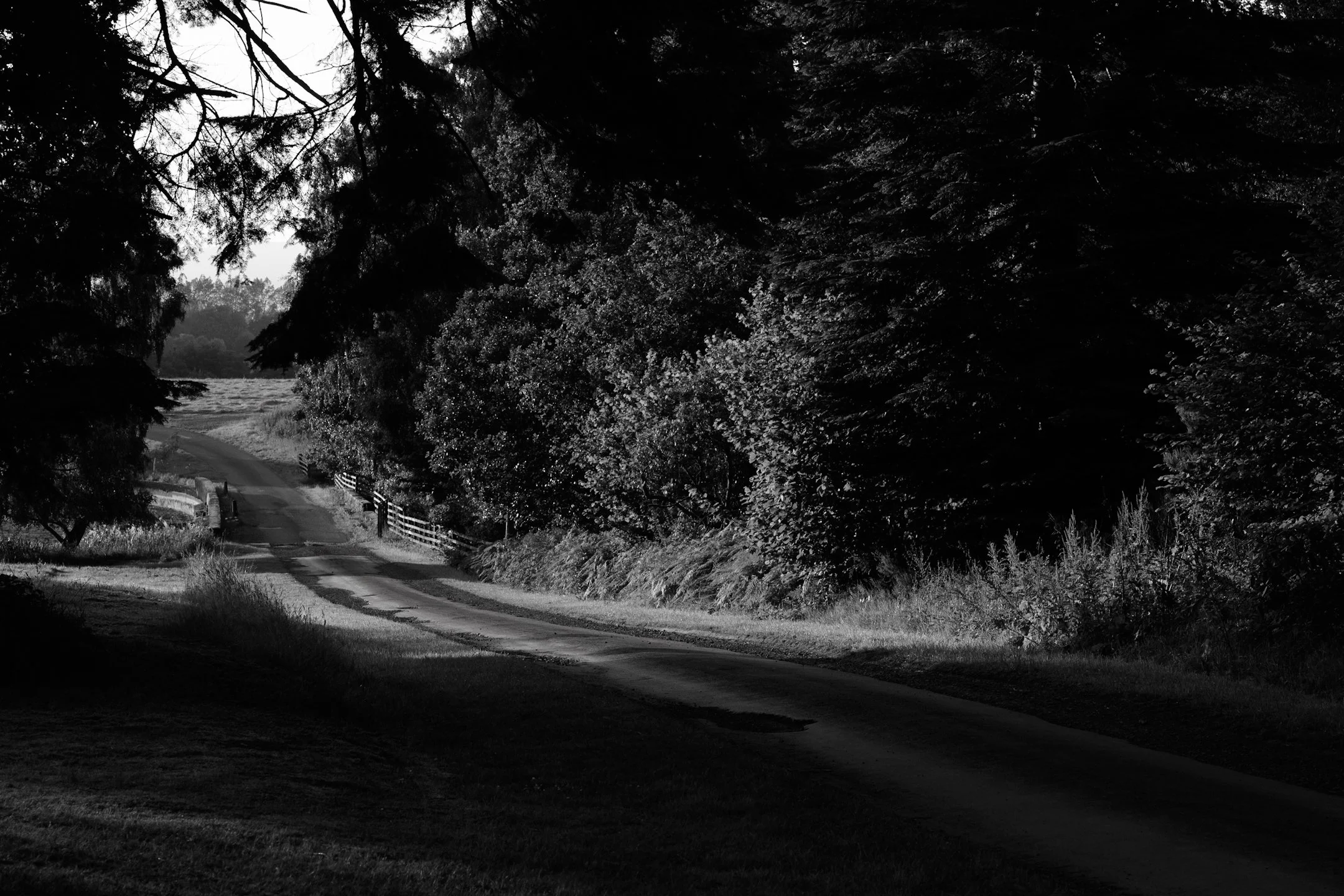
This is where I diverge from modern technical advice. The industry pushes the idea that more dynamic range is always better. While technical leeway is useful, I believe that if every part of an image is perfectly exposed and balanced, the image loses its depth.
To create atmosphere, you must leave elements in the dark. You have to give the viewer something to look for, not just present them with a flat scene where everything is visible at once.
Exposing for the Highlights: I often expose for the bright areas of a scene, letting the shadows fall where they will. These dark, moody pockets are not "failed" exposures; they are intentional voids that hide, reveal, and suggest.
Selective Focus: I use depth of field as a weapon. By ensuring the main subject is the sharpest element, and allowing foreground or background elements to fall slightly out of focus, I subconsciously tell the viewer what matters. If a secondary element is blurry, the viewer’s eye naturally skips over it to find the sharp subject.
Directing the Eye
When I press the shutter, I am thinking about the entire journey I want the viewer to take. I am combining framing, contrast, and focus placement to shape their experience.
When you start to consciously combine these tools—using light to entice, emotion to guide, and shadows/focus to provide depth—you stop "taking" photos and start "making" them. You stop documenting a place, and you start documenting the atmosphere of being there.
That is how you turn a fleeting moment into a lasting image.
Photography, for me, is about paying attention to the world when the rest of the industry is busy chasing the latest gear. I share the reality of my long-term projects, the emotional challenges of the process, and the images that don't make the final cut in my private newsletter In Focus. If you value a slow, intentional approach to photography and want to follow along with the work as it unfolds, you can join the conversation here.