Stripping the Colour: A Conscious choice to shoot Monochrome
Many photographers think of monochrome images almost as an afterthought. Shoot RAW and choose later depending on the image is what I’ve often heard. Or even, if it doesn’t work in color, try it in black and white. I don’t subscribe to that notion. I believe that to truly do justice to a subject, you should shoot with intention, whether that is black and white or color.
So why have I found myself increasingly drawn to shooting monochrome lately?
Firstly, there is the aesthetic appeal. As beautiful as color images can be, I have always found myself drawn to black-and-white photography much more so than color images; they evoke a much more visceral reaction within me. But why is that? When black-and-white images are shot with intention, they strip away the distraction of color and force you to focus on the composition, the elements, the tones, and most importantly, the subject. They remove one more variable in the photographic process, which can be both distracting and completely alter the mood or message of what you are trying to convey.
There is another element too: color can date a photo, subject to the fashion and trends of the time. In my opinion, unless the color is essential to the image, the timeless nature of monochrome photography feels more permanent.
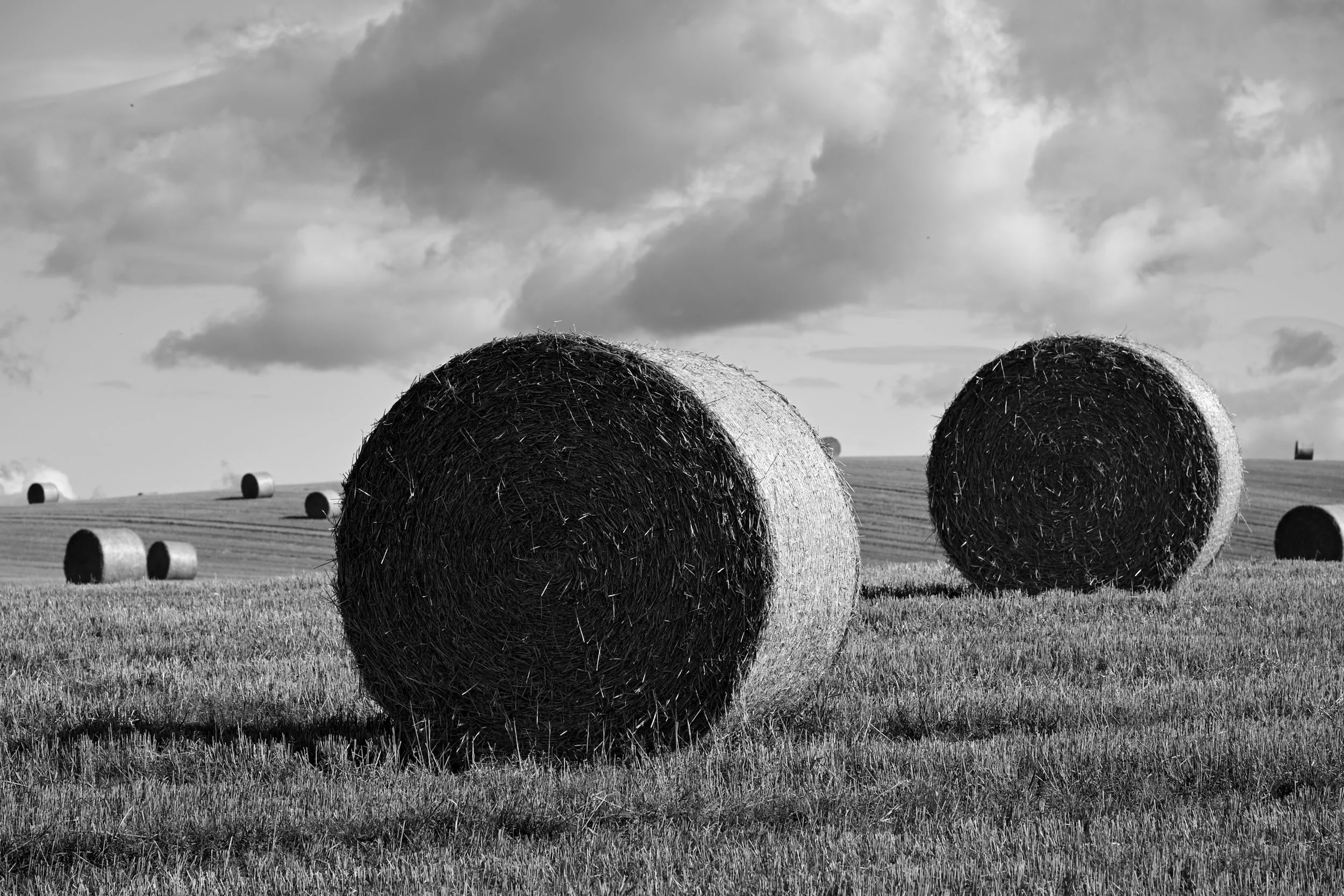
Time is a fundamental theme running through my work, my projects, and my consciousness. I am acutely aware of it passing—of my daughters growing up, of people around me aging, of culture changing. Capturing images with a timeless feel appeals to me deeply. As I’ve grown as a photographer, the appeal of bright, beautiful color photography showing idyllic settings, honeypot locations, and picture-postcard-perfect light has diminished. I am in no way dismissing this kind of photography, for it is perfectly legitimate, but to me, it is shallow. It doesn’t show the world as it is, but as an idealized version of what it can be.
I crave to dig deeper, to uncover reality with all its imperfections. Importantly, I no longer search out subjects to wow; instead, I find light the most interesting subject—how its interplay among the elements of the land can shape an entire scene. I take great satisfaction from photographing the ordinary, the mundane, the everyday, using light to create the mood and composition to reveal the everyday which many of us walk past without noticing.
My personal life has been fraught with difficulties, particularly in the last six months. Slowly, I’ve felt the creative energy draining from my soul. My youngest daughter, Izzy, has for now left my life, and the emptiness that has created within my entire being has been excruciating to bear. You might say that it has stripped the color from my life, leaving me empty and numb to a degree I never thought possible. Removing the color from my photography seems absolutely appropriate at this time, both artistically, emotionally, and as a tribute to the pain I feel without Izzy in my world.
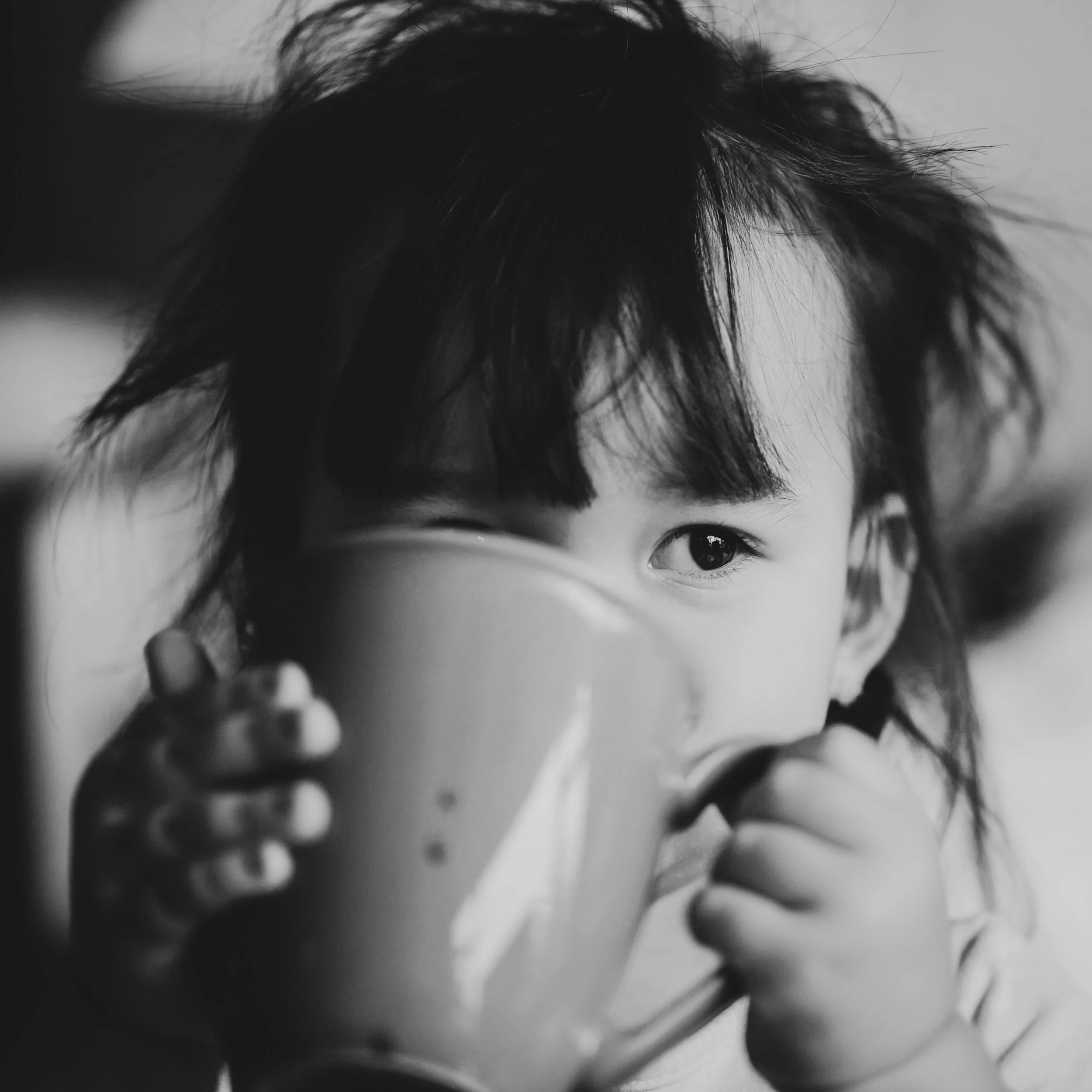
Some of my projects have been shot in color. Some, like the study of Sofia and Izzy, As We Grow, are having to be completely re-thought and will sadly seem to become As We Grow... Apart. It seems entirely apt that the two best things I have ever put out into this world, Sofia and Izzy, should dictate my artistic intentions and interpretations: the inspiration to get out there and record time, the eternal gratitude I feel for having Sofia (my eldest daughter) by my side and watching her thrive and grow into a wonderful young woman, tainted by the absence of her sister, resulting in the stripping away of my positivity and leaving the black cloud of monochrome photography as my only way of expressing this deep grief.
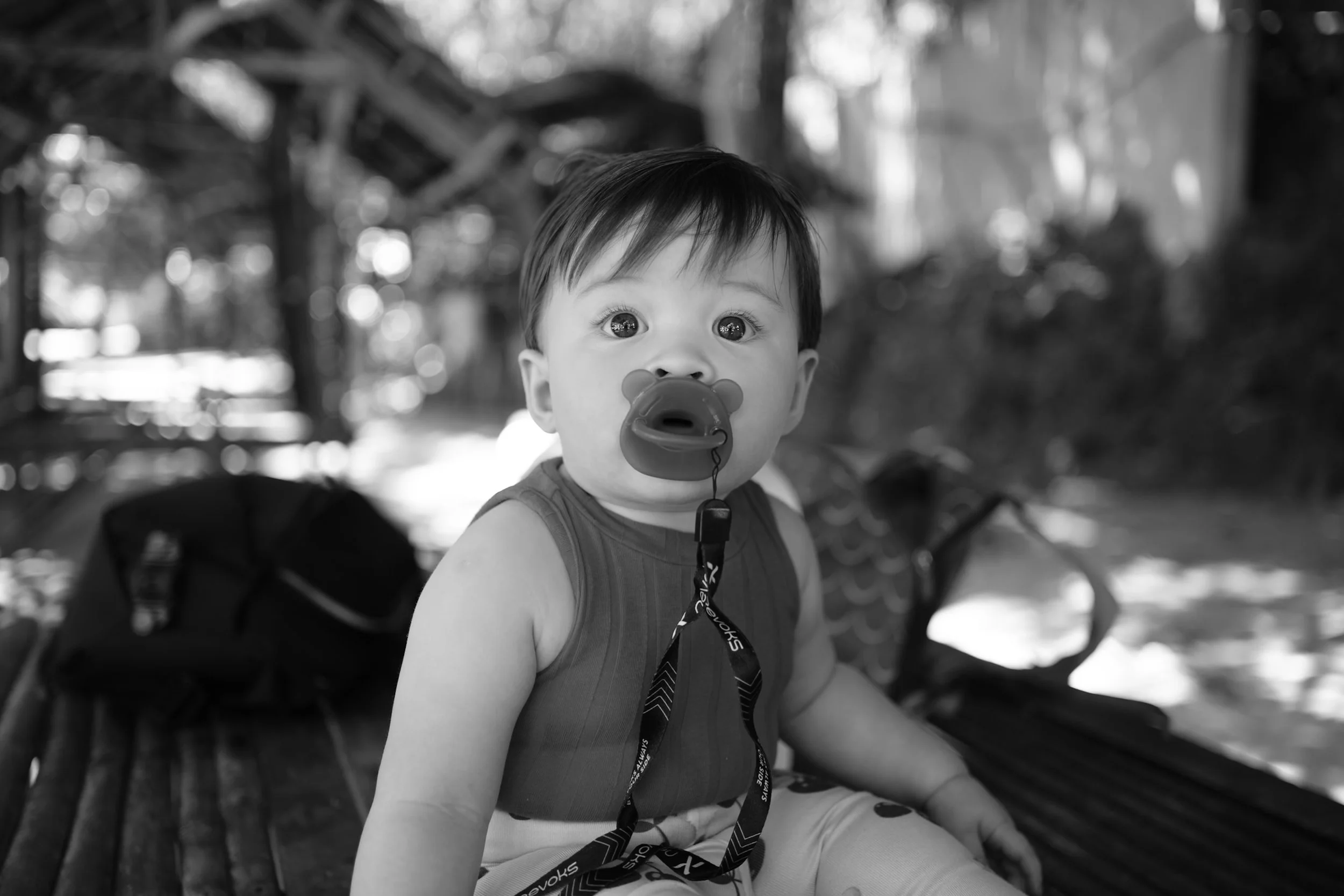
So my decision to photograph images only in black and white from now onwards, unless the color is absolutely essential, is my way of saying to Izzy, if she ever reads this in years to come: I never abandoned you, I will always love you, and only when you return to my life will the color fully return. But until that moment, my world is seen in monochrome.